The book the DSM still isn’t ready for
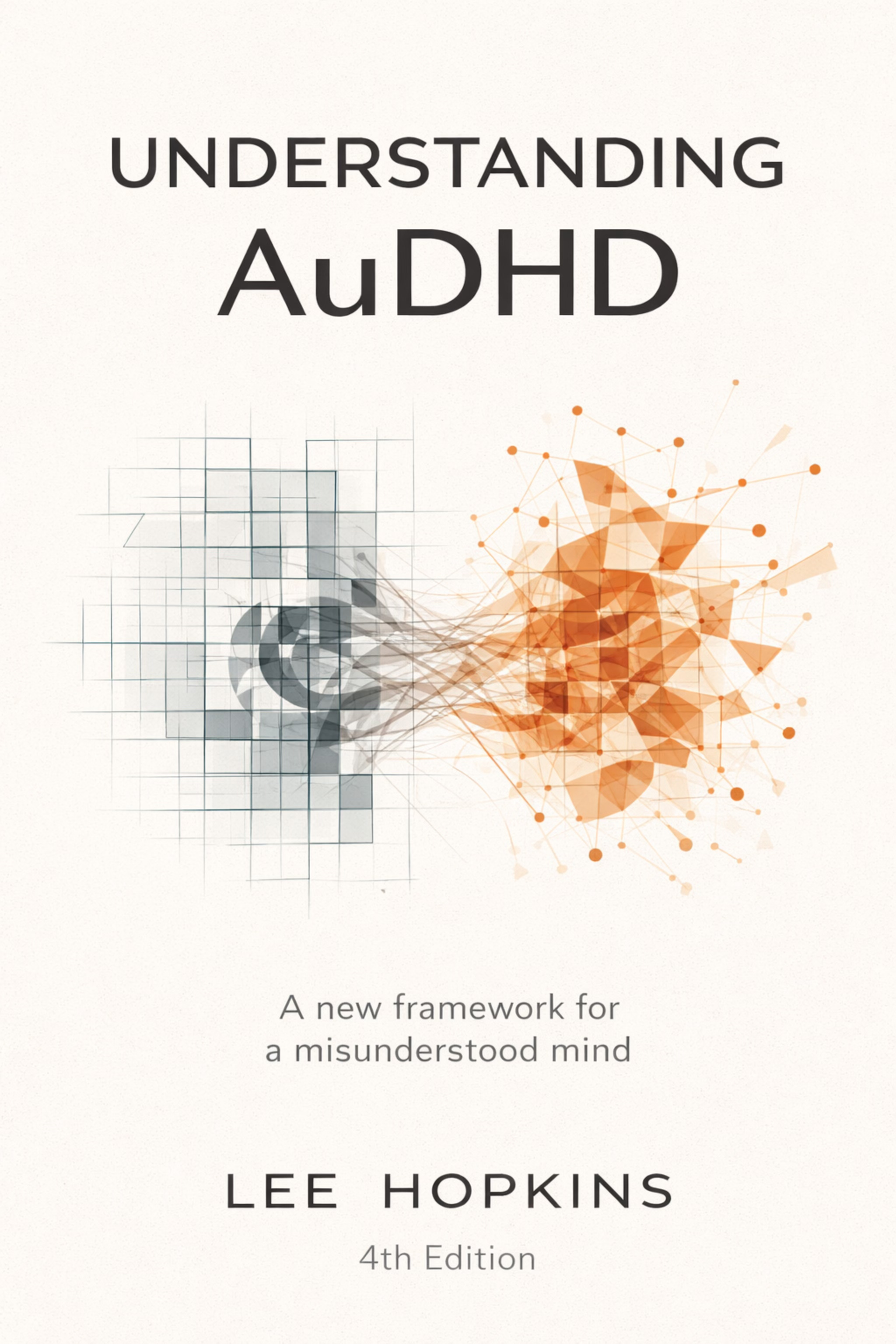
Understanding AuDHD, 4th edition. Free DeepDive episode. Full download for paid subscribers

I wrote the first edition of Understanding AuDHD because nobody had written it yet and I was tired of waiting. Three editions later, I’m publishing the fourth, and the reason is simple: the science moved, the community moved, and I moved with it.
The fourth edition is a different book. Same title, same stubbornness, entirely new guts. Fifteen chapters, six appendices, and a reference list that would make a doctoral committee nod approvingly before asking why it took so long. Every chapter has been rewritten from the ground up against the latest research, the emerging voices in the neurodivergent community, and, frankly, the things I got wrong or didn’t go far enough on in earlier editions.
Here is what changed and why it matters.
The core argument is sharper. AuDHD is not autism plus ADHD. It is an emergent neurological profile, a compound rather than a mixture, with its own internal logic, its own presentation patterns, and its own clinical needs that neither condition’s literature captures on its own. The DSM still files it as a comorbidity. The DSM is wrong, and the research published since the third edition makes that case more convincingly than I ever could alone.
The lived experience sections are more honest. I was diagnosed with AuDHD at 66 after decades of being told I was bipolar. That story is in here, not for sympathy, but because it is the story of an entire generation of adults whose neurology was misread by confident professionals using confident tools that were confidently inadequate. If you recognised yourself in the earlier editions, this one goes further. If you are newly wondering whether the label fits, this one meets you earlier in the process.
The women and girls chapter is new. It should have existed sooner.
The healthcare chapter will make you angry and then give you something useful to do with the anger. The systems chapter names the institutions. The practical chapters are woven through the whole book rather than bolted on at the end, because that is how AuDHD actually works; you need the strategy while you are inside the experience, not three chapters later.
Listen to the DeepDive
I put the book through a DeepDive podcast conversation so you can hear the argument before you read it. The episode is embedded below. If you are the kind of person who processes better through audio, or if you want to know whether this book is worth your time before committing to 53,000 words, start here.
For paid subscribers
If you are a paid subscriber to Letters from the Quiet Half, you can download Understanding AuDHD (4th edition) for free. No hoops, no funnels, no seven-email nurture sequence. Just the book.
You also have access to a curated library of my other titles, available for download from the paid subscriber area. The library grows as I publish. If you have been a paid subscriber for a while, there will be new things in there since you last looked.
If you are not yet a paid subscriber and you want to be, the button is below. The price of a coffee once a month gets you every book I publish, the full library, and the knowledge that you are directly funding independent, ad-free writing about neurodivergence by someone who actually lives inside the experience.
quiethalf.substack.com/subscribe
For everyone
Whether you are paid or free, the DeepDive episode above is yours. Listen, share it, send it to someone who needs it. The best thing you can do for the neurodivergent community is not buy my book. It is make sure the people around you understand that AuDHD exists, that it is distinct, and that the systems meant to help are still catching up.
The book will find its readers. The conversation needs everyone.