

The arithmetic
The shiver finds the bass note first —
the one under everything you’ve been too busy to hear.
Sixty-seven, and tonight it’s just me,
a fluid, hacking cough, and my body’s burden from every wrong pill
they ever handed me like it was medicine
instead of twenty years of guesswork with a diagnosis code.
The body keeps receipts the mind was never shown.
So, of course I count my books instead of sheep.
The number stopped meaning craft a while back
and started meaning clock—
how many more before the hand
forgets what it was reaching for.
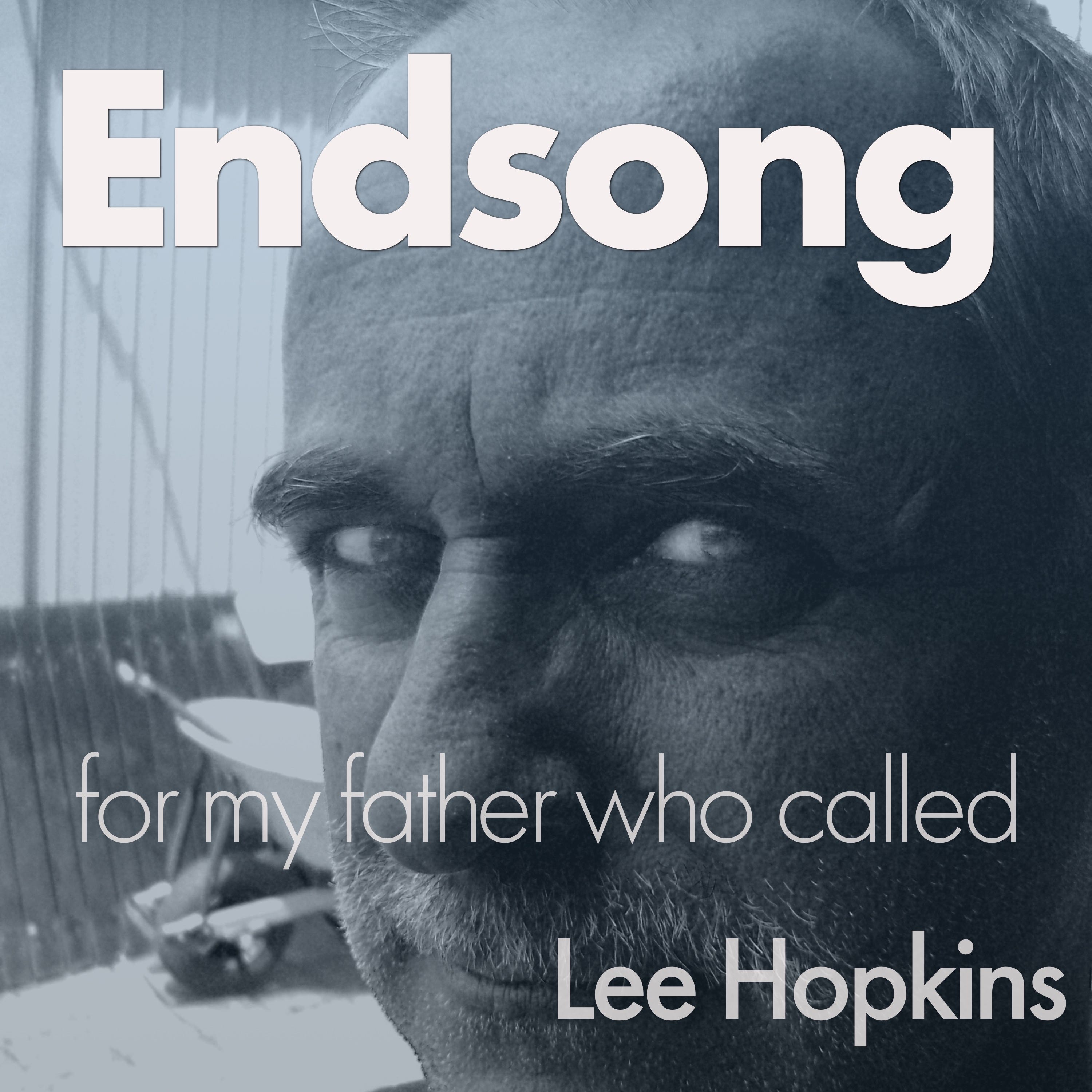
I keep thinking about my father’s phone calls.
Nobody flagged them at the time—
old mates he hadn’t rung in years,
picked up the receiver and dialing like a man closing a ledger,
said things that sounded like nothing
and were everything.
Six months later we understood
what a goodbye sounds like
dressed as an ordinary Tuesday.
I don’t know if I’ll get a phone call.
I think I’m already making mine —
one page, one post, one unfinished argument at a time,
ringing everyone I’ve ever loved
to say it before the line goes quiet.
Somewhere Barber’s strings are still climbing
toward the note that always breaks me,
the Steeldrivers still promising a place
where rainbows never die,
Robert Smith still saying the plain thing
until the plainness is the wound.
Nobody warns you a head and chest cold
could be the thing that opens the trapdoor
under an ordinary Saturday in bed.
Not the illness.
The arithmetic.
Reflection
Seneca spent an entire essay arguing that life isn’t short—we just squander most of it, and only notice the balance when it’s nearly spent. Michelangelo, into his eighties and still carving, wrote letters fretting that death would arrive before the work had finished. Keats, dying at twenty-five, wrote the line that says it plainest: When I have fears that I may cease to be / Before my pen has glean’d my teeming brain. He’d published almost nothing when he wrote it.
Rilke told a young poet that the point wasn’t to solve mortality but to live the questions themselves—trusting that living them now might carry you, someday, into the answer. Leonard Cohen recorded his last album knowing what it was and called it him being ready. You Want It Darker was released 17 days before his death, produced with his son Adam Cohen, and focused heavily on mortality and spirituality. He said he’d tried to write with intention right to the end.
Bowie did the same with Blackstar, releasing it two days before he died, turning the whole record into a farewell nobody was supposed to notice until it was too late to say goodbye back. Toni Morrison talked about writing against the ticking of her own clock, and Nina Simone said an artist’s duty is to reflect the times—urgency isn’t vanity, it’s the job.
None of them found a way around the arithmetic. They just kept working while they did it. That seems to be the whole trick—not peace with it, just company in it.
As Robert Smith said in the song that accompanied me as I lay on my bathroom floor some months ago, bladder and bowels voided around me as PTSD did its best to destroy me, I'm outside in the dark wondering how I got so old.
https://leehopkins.com/wp-content/uploads/2026/08/Endsong-For-My-Father-Who-Called.mp3